
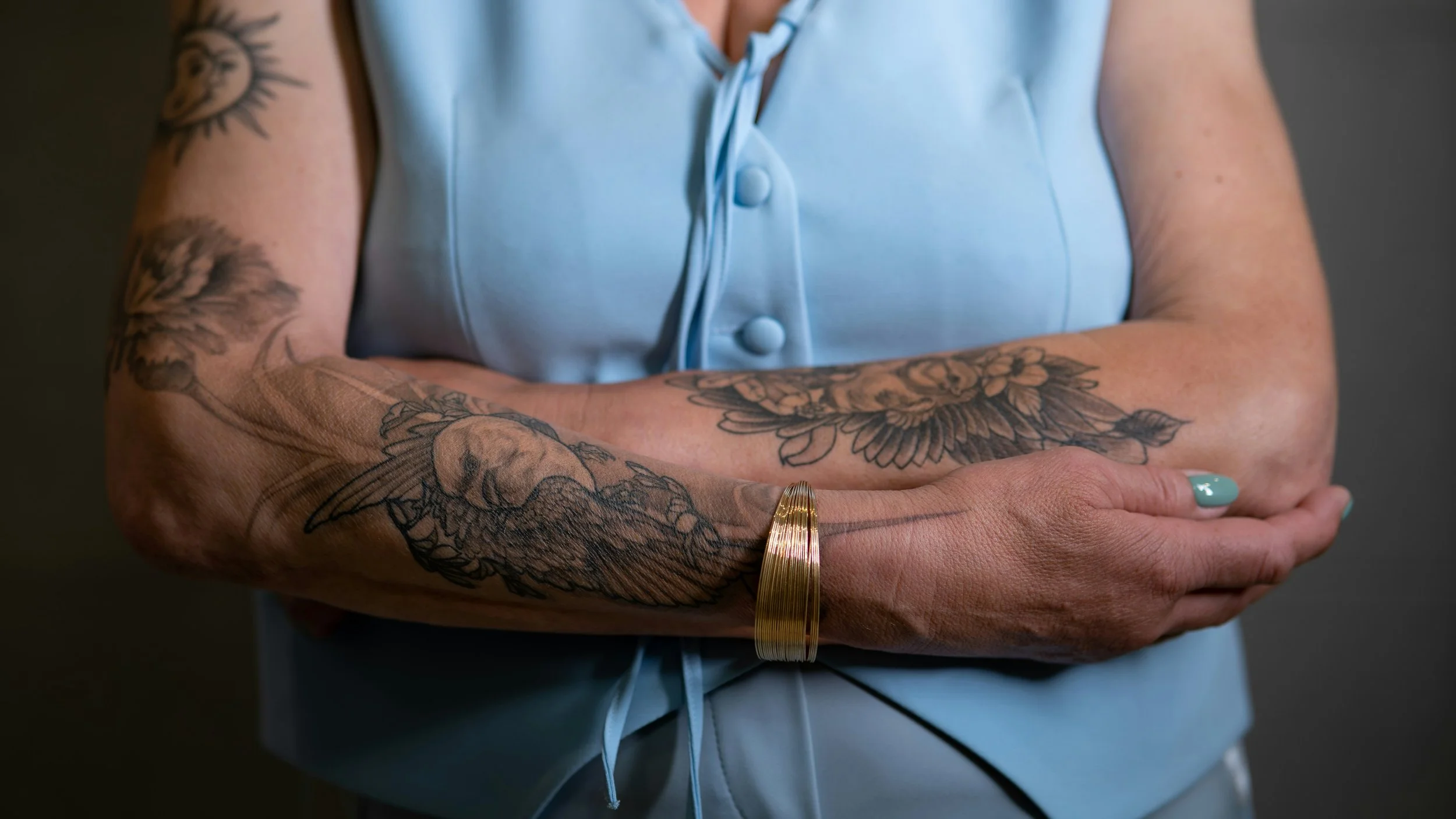
Tattoo Removal
A tattoo that once felt right doesn't always stay that way. Names change meaning, styles fall out of favour, careers shift, and skin that seemed like a permanent canvas starts to feel like it's holding onto something you've outgrown. At YourSkin Clinic we use the RevLite SI laser to help patients fade and remove unwanted tattoos, working with the body's own processes rather than against the skin.
RevLite SI is a Q-switched Nd:YAG laser, built to deliver energy in pulses measured in billionths of a second. When that energy hits tattoo ink sitting in the skin, it shatters the ink particles into smaller fragments. Those fragments are then carried away gradually by the immune system over the weeks following treatment, which is why a tattoo fades progressively rather than vanishing in a single session.
Different ink colours absorb laser energy differently. Black ink tends to respond well because it absorbs a broad range of wavelengths, while greens, blues, and yellows are more selective and often need more sessions, sometimes with adjusted laser settings, to break down fully. Tattoo age, ink density, and how deeply the ink was originally applied all play a role too.
What a course of treatment looks like
There's no single number of sessions that applies to every tattoo. A small, simple black tattoo might fade significantly faster than a large, multicoloured, professionally applied piece. Sessions are typically spaced six to eight weeks apart, giving the skin time to heal and the immune system time to clear ink fragments before the next round of treatment.
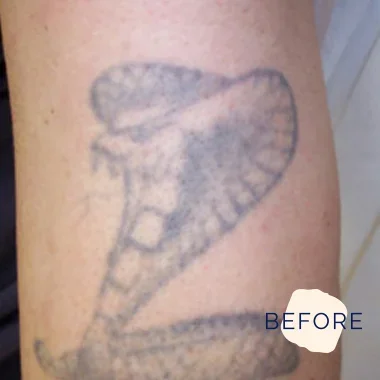
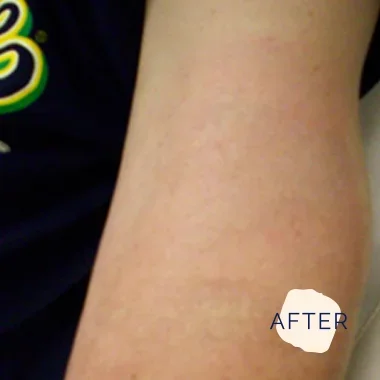
Many tattoos fade substantially and become far less visible over a course of treatment, but complete removal isn't guaranteed for every tattoo. Certain ink colours, dense or layered work, and scarring from the original tattooing process can all limit how much fades. Your practitioner will assess your specific tattoo and give you an honest picture of what to expect rather than a generic promise.
Risks and side effects
Laser tattoo removal carries risks that should be understood before starting treatment. These include:
Temporary redness, swelling, and tenderness in the treated area Blistering or scabbing as the skin heals, which is a normal part of the process
Pinpoint bleeding in some cases
Temporary or, occasionally, longer lasting changes in skin pigment, either lighter or darker than the surrounding skin
A risk of infection if blisters or scabs aren't cared for properly
A small risk of scarring, particularly if the skin doesn't have enough time to heal between sessions or aftercare isn't followed closely A rare possibility of allergic reaction, particularly to certain ink colours
Skin tone is also a factor in risk. Darker skin tones generally carry a higher risk of pigment changes after treatment, which your practitioner will take into account when planning laser settings, rather than ruling treatment out automatically.
Some people aren't suitable candidates for laser tattoo removal at the time of consultation. Active skin infection in the area, certain medical conditions, some medications, and pregnancy are all reasons treatment might be delayed or not recommended.
Frequently asked questions
-
Most patients describe the sensation as more intense than getting the tattoo itself, often compared to a hot rubber band snapping against the skin. Discomfort varies by location and individual pain tolerance, and numbing cream can sometimes help. We provide local anesthesia for patients with low pain tolerance.
-
It depends on the tattoo. Ink colour, density, depth, age, and whether it was done by a professional or amateur artist all influence how many sessions are needed. Black ink tends to respond more readily, while greens, blues, and yellows are typically more stubborn. Your practitioner will give you an honest estimate after assessing your tattoo in person.
-
Not always. Many tattoos fade significantly and become much less visible, but complete removal isn't guaranteed for every tattoo, particularly those with certain ink colours, dense layering, or scarring underneath from the original application.
-
The treated area is typically red, swollen, and tender for a few days, sometimes with blistering or scabbing as part of healing. Sessions are usually spaced six to eight weeks apart to give the skin and immune system time to clear ink fragments before the next treatment.
-
Skin tone affects risk, particularly the risk of pigment changes after treatment, and darker skin tones generally carry a higher risk. This is assessed individually, with laser settings adjusted accordingly, rather than ruled out automatically.
-
Patients with active skin infection in the area, certain medical conditions, some medications, and pregnancy are all reasons treatment might be delayed or not recommended. Share your full medical history with your practitioner during consultation.
-
Keeping the area clean and protected is the priority. This generally means covering the area as advised, avoiding picking at blisters or scabs, avoiding sun exposure and applying SPF50+ once healed enough, and avoiding swimming, saunas, and strenuous exercise for the period your practitioner specifies.
-
An in-person consultation is the only reliable way to find out. Your practitioner will examine the tattoo's ink density, colour, location, and your skin type to give you a realistic picture of likely session numbers and any risks specific to your situation. You can email our clinic images of your tattoo to see if a consultation is worth booking.
Disclaimer: This information is for general educational purposes and does not constitute individual medical advice. Always consult with a qualified health professional regarding your specific health needs.