
Cysts
A cyst is a closed pocket of tissue that contains fluid, air or semi‑solid material. Cysts can occur in the skin or deeper inside the body. Most cysts are benign and many cause no symptoms.
This material is intended for general educational purposes and is produced in accordance with the Therapeutic Goods Advertising Code 2021 (Cth). No specific therapeutic goods (including prescription medicines or medical devices) are named or promoted in this document. Treatment suitability is determined only after individual clinical assessment. YourSkin Clinic practitioners are registered with the Australian Health Practitioner Regulation Agency (AHPRA).
Treatments involving prescription medicines may only be recommended and supplied following a valid prescription issued by an authorised prescriber. Not all treatments described will be suitable for all individuals. Results are not guaranteed and vary between patients.
-
Causes vary depending on the type of cyst. Common reasons include:
Blocked ducts such as oil glands or hair follicles.
Build up of fluid in a joint or tissue.
Injury or irritation that triggers fluid collection.
Hormone changes such as those affecting ovarian cysts.
Genetic conditions that increase the likelihood of certain cysts.
In many cases, the exact cause is not known.
-
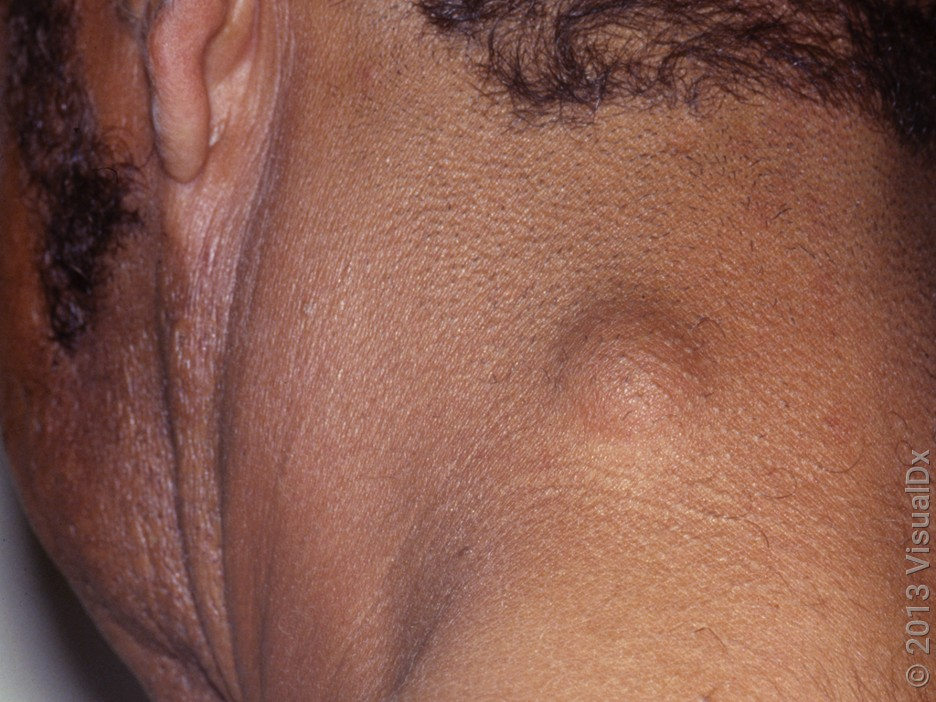
Skin cysts such as epidermoid or sebaceous cysts. These are usually small, smooth lumps under the skin. They may become red or tender if inflamed.
Ovarian cysts which form as part of the menstrual cycle and usually resolve on their own. These are not traditional cysts and are also known as follicles.
Breast cysts which are fluid filled and usually benign.
Ganglion cysts which appear near joints or tendons, commonly on the wrist.
Baker cysts which form behind the knee and may cause tightness or swelling.
Kidney cysts which are often found incidentally and usually cause no symptoms.
-
Symptoms depend on the type and location of the cyst.
Some cysts cause no symptoms and are found during imaging for another reason.
Skin cysts may appear as a visible lump that is usually painless unless inflamed.
Ovarian cysts may cause pelvic pain if they rupture.
Kidney cysts may cause back or abdominal discomfort if large.
A Baker cyst may cause tightness behind the knee.
Seek urgent medical care if you have a cyst with fever, severe pain or rapid swelling.
-
Treatment depends on the type of cyst, its location and whether it causes symptoms.
No treatment is needed for many cysts that are small and not causing problems. Many resolve on their own.
Warm compresses or ice may help with discomfort in some skin cysts.
Drainage may be used for large or painful cysts. Recurrence is possible.
Surgical removal may be recommended if a cyst is recurrent, painful or interfering with function.
Antibiotics may be required if a cyst becomes infected.
Do not squeeze or attempt to drain a cyst yourself. This can cause infection.
-
Infection or abscess formation.
Rupture, which may cause sudden pain depending on the location.
Pressure on nearby structures if the cyst becomes large.
Anxiety about whether a lump is cancer. Most cysts are benign, but any new or changing lump should be checked.