
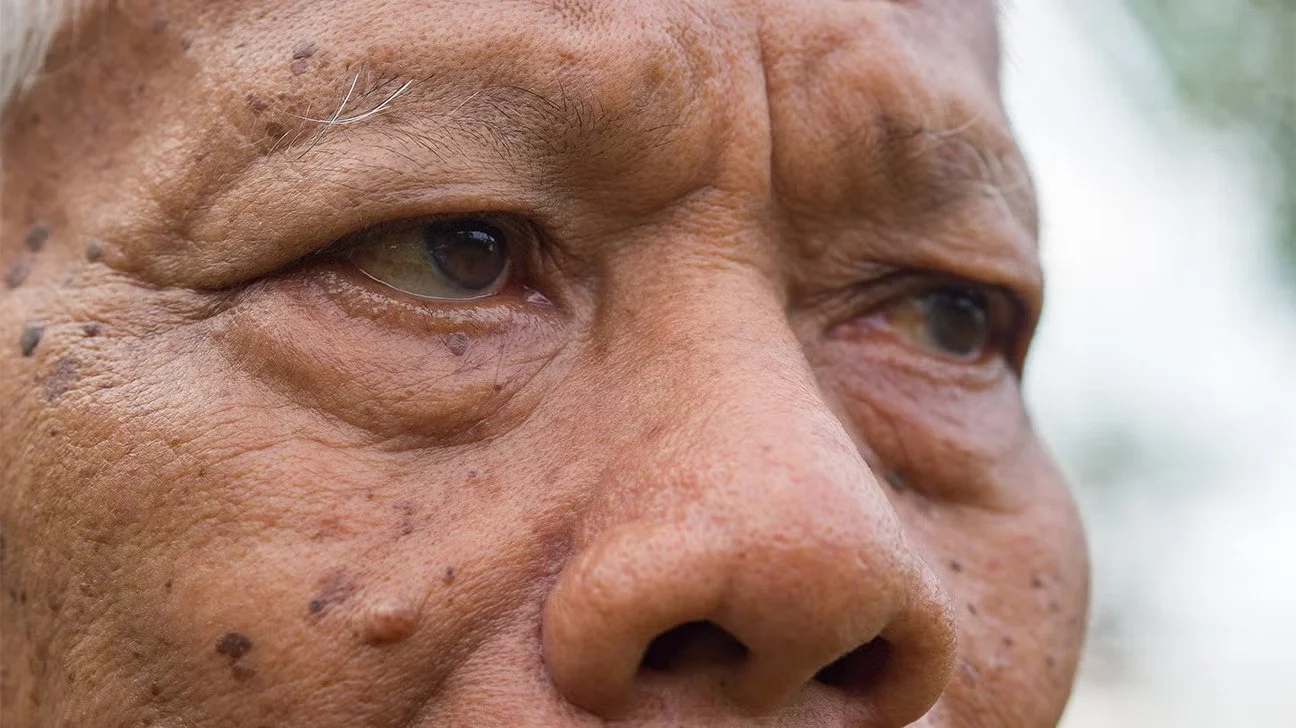
Dermatosis Papulosa Nigra
Dermatosis papulosa nigra, often shortened to DPN, causes small, dark papules on the face and neck. It's a common and harmless skin condition, particularly in people with darker skin tones. Some people may choose treatment for cosmetic reasons.
What is DPN?
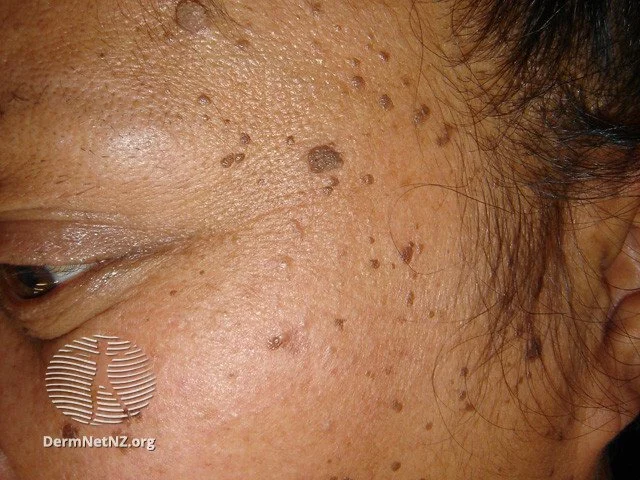
DPN appears as multiple small, smooth, firm papules, usually dark brown or black, ranging from about 1 to 5mm across. They're most often found on the face and neck. They're closely related to seborrhoeic keratoses and are not a sign of skin cancer or any other serious condition. DermNet
DPN is common in people with skin of colour, including those with darker Fitzpatrick skin phototypes, and also occurs in dark-skinned Asian and Polynesian populations. It tends to run in families, and usually first appears during adolescence, with lesions increasing in number and size with age. It's seen more often in women than men. DermNet
DPN doesn't cause any physical symptoms and isn't harmful to your health. It's a cosmetic concern for most people, though some find lesions become irritated by clothing, jewellery, or makeup application.

Copyright: © Wikimedia Commons
Treatment options
DPN lesions are generally fine to leave untreated, and no medical treatment is required. If you'd like lesions removed for cosmetic reasons, several options are available depending on the size, number, and location of your lesions, as well as your skin type. Your practitioner will recommend an approach suited to you after an assessment. DermNet®
Options can include:
Curettage gently scraping away the lesion
Electrodesiccation using heat to remove the lesion, sometimes combined with curettage
Cryotherapy freezing the lesion with liquid nitrogen
Laser treatment using targeted light energy to break down the lesion
Copyright: © DermNet
Risks and side effects
Because DPN is most common in people with darker skin tones, and darker skin is more prone to visible pigment changes after treatment, choosing the right technique and settings matters. Locally destructive treatments carry a risk of increased or decreased pigmentation, scarring, and keloid formation DermNet.
Other possible effects include:
Temporary redness, swelling, or scabbing at the treatment site
Small milia (tiny white bumps) developing as the skin heals
Lesions returning or new lesions developing over time, particularly given the genetic tendency for DPN
Variation in results depending on lesion size, depth, and your individual skin response
Your practitioner will discuss which technique is most appropriate for your skin type and talk through these risks before any treatment.
Frequently asked questions
-
No. DPN is a benign skin condition, closely related to seborrhoeic keratoses. It isn't a sign of skin cancer. That said, if you notice a lesion that's changing, bleeding, or looks different from your other DPN spots, it's worth having it checked by our GP.
-
DPN is more common in people with darker skin tones and often runs in families. It typically starts in adolescence and tends to increase in number and size with age.
-
No. Treatment isn't medically necessary, and many people leave their DPN untreated. Removal is a personal, cosmetic choice.
-
Darker skin types are more prone to pigment changes after treatment, which is why technique and settings need to be carefully matched to your skin. Your practitioner will choose an approach intended to reduce this risk, though it can't be eliminated entirely.
-
DPN has a genetic tendency, so new lesions can develop over time even after successful treatment of existing ones.
-
Most options are performed with local anaesthetic or numbing, so discomfort is usually minimal. You may feel some stinging or a cold sensation depending on the technique used.
-
This depends on the number and size of your lesions and the technique used. Your practitioner will discuss a treatment plan suited to you at your consultation.
Disclaimer: This information is for general educational purposes and does not constitute individual medical advice. Always consult with a qualified health professional regarding your specific health needs.