
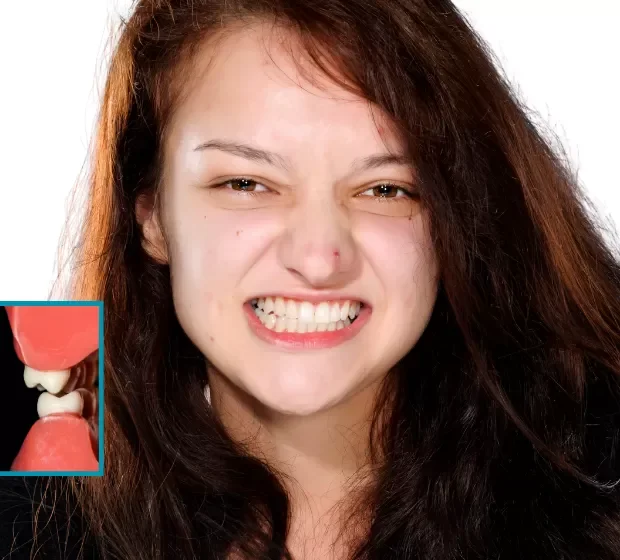
Bruxism
Bruxism is the medical term for involuntary teeth grinding or jaw clenching. It can occur during sleep or while awake. Many people are unaware they are doing it until symptoms develop or a dentist notices signs of wear on the teeth.
This material is intended for general educational purposes and is produced in accordance with the Therapeutic Goods Advertising Code 2021 (Cth). No specific therapeutic goods (including prescription medicines or medical devices) are named or promoted in this document. Treatment suitability is determined only after individual clinical assessment. YourSkin Clinic practitioners are registered with the Australian Health Practitioner Regulation Agency (AHPRA).
Treatments involving prescription medicines may only be recommended and supplied following a valid prescription issued by an authorised prescriber. Not all treatments described will be suitable for all individuals. Results are not guaranteed and vary between patients.
-
Skin tags can appear anywhere but are most common in areas where skin rubs on skin or clothing.
Neck
Underarms
Groin
Under the breasts
Eyelids
Upper chest
They can occur in both men and women and at any age, although they are more common in adults.
-
Bruxism has multiple contributing factors. Not everyone has the same triggers.
Stress and emotional tension One of the most common contributors to jaw clenching.
Sleep related factors Such as disturbed sleep, snoring or sleep apnoea.
Bite or jaw alignment factors Some people clench more when the teeth or jaw do not meet comfortably.
Lifestyle factors High caffeine intake, smoking and alcohol can increase muscle activity during sleep.
Medications Certain medicines can increase jaw muscle activity in some people.
Genetics Bruxism can run in families.
Bruxism is not caused by infection and is not contagious.
-
Symptoms vary depending on severity and whether the grinding occurs during sleep or while awake.
Jaw tightness or fatigue
Morning headaches
Ear area discomfort
Clicking or stiffness in the jaw joint
Tooth sensitivity
Flattened or worn tooth surfaces
Cracked or chipped teeth
Disturbed sleep for the person or their partner
Some people have no symptoms and bruxism is only detected during a dental examination.
-
If bruxism continues over time, it may lead to:
Increased tooth wear
Cracked or fractured teeth
Gum recession from heavy pressure
Jaw joint discomfort
Muscle tension in the face, neck or temples
Disturbed sleep
These issues vary widely between individuals.
-
Management may involve:
Identifying and reducing triggers such as stress
Improving sleep habits
Monitoring caffeine and alcohol intake
Becoming aware of daytime clenching habits
Using protective devices such as mouthguards which are fitted by dental professionals
Addressing any underlying sleep related conditions
A dentist or doctor can discuss options based on an individual assessment.
-
Dental professionals may recommend devices that protect the teeth from wear.
Occlusal splints Custom made mouthguards worn during sleep to reduce the impact of grinding on the teeth.
Night guards Designed to absorb pressure and prevent tooth damage.
These appliances do not stop the muscle activity but help prevent complications.