
Spider Veins
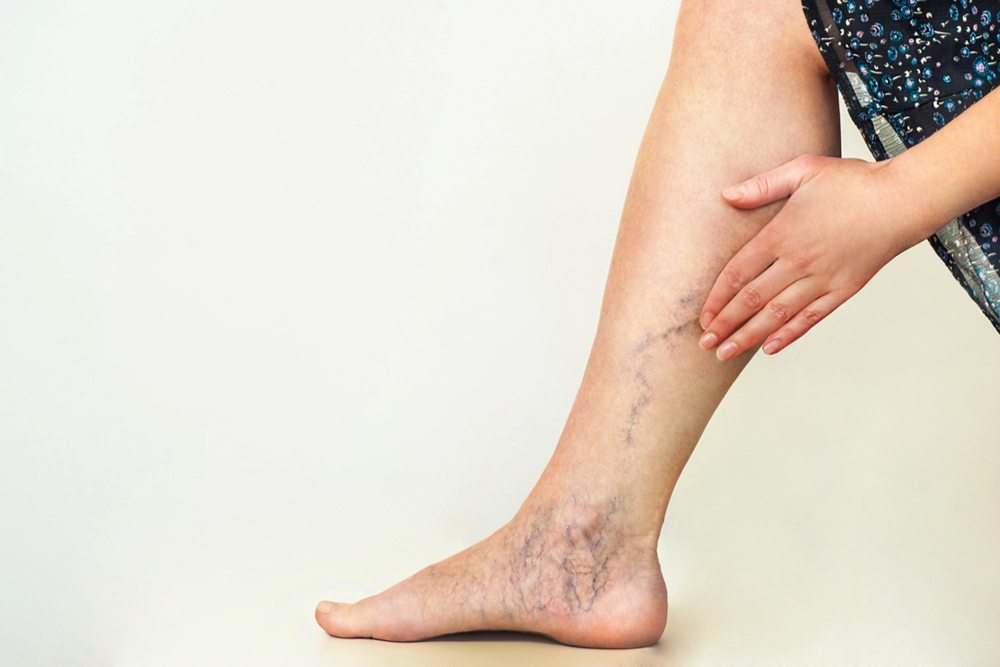
Spider veins are small, visible blood vessels that can appear on the legs, face, or other areas of the body.
A range of factors may contribute to their development, including genetics, age, hormonal changes, pregnancy, prolonged standing, and sun exposure.
While spider veins are often a cosmetic concern, some people may experience symptoms such as discomfort, aching, or a feeling of heaviness in the affected area. If you are concerned about visible veins or are experiencing symptoms, a medical assessment can help determine the cause and discuss appropriate management options. Not all visible veins are the same, and an assessment may be recommended to determine whether further investigation is required.
This information is general in nature and is not a substitute for individual medical advice. A consultation is required to determine an appropriate diagnosis and whether any management options are suitable for your circumstances.
-
Your veins contain small one-way valves that help push blood back up towards the heart against gravity. When these valves weaken or stop working efficiently, blood can pool inside the vessel, causing it to stretch and become visible through the skin. In spider veins, this happens in the capillaries and venules just beneath the skin's surface.
Spider veins rarely have a single cause. A combination of the following factors is usually at play:
Family history: Genetics is one of the strongest predictors. If a parent or sibling has spider veins, your own risk is meaningfully higher.
Age: Blood vessel walls naturally lose some of their elasticity over time, making dilation more likely. Spider veins become increasingly common from the mid-thirties onwards.
Hormonal changes: Fluctuations in oestrogen and progesterone, such as during puberty, pregnancy, or menopause, can weaken vessel walls. The oral contraceptive pill and hormone replacement therapy (HRT) may also play a role in some people.
Pregnancy: Increased blood volume and pressure on the pelvic veins during pregnancy often contributes to spider veins on the legs. They may improve after birth, but don't always resolve fully.
Prolonged standing or sitting: Jobs or habits that involve long periods on your feet or at a desk can put sustained pressure on leg veins and impair healthy circulation over time.
Sun exposure: Particularly relevant for the face. Chronic sun exposure can damage superficial vessels and contribute to visible redness and broken capillaries.
Body weight: Carrying excess weight places additional strain on the venous system, particularly in the lower limbs.
Previous vein problems: A history of blood clots or vein inflammation can leave lasting damage to vessel walls and valves.
Lifestyle factors: Physical inactivity and smoking can both impair circulation and contribute to vein changes over time.
-
Many people with spider veins have no physical symptoms at all and the veins are simply a cosmetic concern. Others may notice:
Visible red, blue, or purple lines or web-like patterns on the skin
A mild aching, heaviness, or tiredness in the legs, often worse after prolonged standing
Occasional itching or a burning sensation around the affected area
Minor swelling around the ankles or lower legs, particularly by the end of the day
It is worth noting that the appearance of spider veins does not always predict how they feel. Some people with extensive visible veins have no discomfort at all, while others with fewer veins experience noticeable symptoms.
-
Treatment options vary depending on the size, location, and extent of the veins, as well as your overall health and medical history. Not everyone will require or choose to pursue treatment, and in some cases conservative measures such as compression garments and lifestyle adjustments may be the most appropriate starting point. In some cases, our patients may elect to treat their spider veins with sclerotherapy.
Following a thorough clinical assessment, your doctor will explain all relevant options, including any potential benefits, limitations, and risks, so you can make a well-informed decision about your care.
-
Sclerotherapy is a well-established procedure used in the management of spider veins and small varicose veins. It involves the injection of a sclerosant solution directly into the affected blood vessel. This solution works by irritating the inner lining of the vessel wall, causing it to swell, close, and gradually be reabsorbed by the body over time. The treated vein fades as surrounding tissue absorbs it, and blood flow is naturally redirected through healthier vessels nearby.
Sclerotherapy has been used in clinical practice for decades and remains one of the most widely used approaches for superficial vein concerns.
-
Once a vessel has been successfully treated and reabsorbed by the body, it does not return. In that sense, treated veins are gone permanently.
However, spider veins can recur. This is because sclerotherapy addresses existing vessels, not the underlying factors that contributed to their development in the first place. If those contributing factors remain, such as genetics, hormonal changes, prolonged standing, or sun exposure, new vessels may develop over time in the same or nearby areas.
-
In the vast majority of cases, spider veins on the legs are entirely harmless and represent a cosmetic concern only. They do not indicate circulatory disease and do not pose a risk to your health.
However, spider veins can occasionally be associated with underlying venous insufficiency. This is particularly the case when accompanied by symptoms such as leg aching, heaviness, cramping, or swelling. In such cases, a vascular assessment may be advisable before cosmetic treatment.
-
A typical sclerotherapy appointment at YourSkin Clinic proceeds as follows:
Preparation: You will be asked to remove clothing from the legs. The skin is cleansed. No anaesthetic cream is required as the needles used are very fine.
Mapping: Your clinician will examine the veins under good lighting, sometimes using a vein light or magnification to identify feeding reticular veins (the larger underlying vessels that feed spider veins).
Injection: A very fine needle (typically 30-32 gauge) is used to inject a small volume of sclerosant into each vessel. Multiple injections are performed in a single session - the number varies but is typically 10-40 injection points depending on the extent of treatment.
Compression hosiery: Compression stockings are applied before you leave the clinic.
A session typically lasts 30-60 minutes depending on the treatment area.
-
The sensation is typically described as a very mild sting or sharp scratch at each injection point.
Some sclerosant solutions (particularly at higher concentrations or when treating larger vessels) may cause a brief burning or cramping sensation for a few seconds after injection.
No topical anaesthetic cream is typically required, and most patients feel comfortable returning to normal activities immediately after the session.
-
To ensure your appointment runs smoothly:
Wear loose, comfortable clothing that allows easy access to the legs. Shorts or loose-fitting trousers are ideal
Do not apply any moisturiser, fake tan, or body lotion to the legs on the day of treatment. The skin needs to be clean and dry
Bring your compression stockings if you have been issued with a pair for a previous session; we will provide them for new patients with a fee
Avoid shaving the legs on the day of treatment to reduce skin sensitivity
You will be able to drive yourself to and from the appointment
-
Within a single leg sclerotherapy session, your clinician will treat as many vessels as can be safely addressed in the time available and within safe dosage limits of sclerosant. We typically work through the most prominent and clinically significant vessels first.
Both legs can generally be treated in the same session. However, we do not recommend combining sclerotherapy with other unrelated cosmetic treatments (such as facial injectables) on the same day, to keep the treatment focused and recovery straightforward.
-
Matting (also called telangiectatic matting) is the development of a fine blush of new, very small red capillaries near the treated area, usually appearing within 4 to 6 weeks of sclerotherapy. It occurs in approximately 10 to 15% of patients and is one of the most common frustrations associated with the treatment.
Matting is thought to result from the body's angiogenic response (forming new blood vessels) following treatment. Risk factors include:
Use of oestrogen-containing medications (contraceptive pill, HRT)
Obesity
Treatment with sclerosant that is too concentrated for the vessel size
Failure to wear compression stockings as directed
Matting usually resolves spontaneously within 3-12 months. If it persists, it can often be successfully retreated with very dilute sclerosant.
Wearing your compression stockings exactly as instructed is one of the most effective ways to reduce your risk of matting. Please follow your post-treatment compression guidance carefully.
-
To protect your results and minimise complications, please follow these guidelines in the days after treatment:
Avoid: Hot baths, saunas, steam rooms, and jacuzzis for at least 2 weeks - heat causes vasodilation and impairs the treatment effect
Avoid: Direct sun exposure or sunbeds on the treated areas for 4-6 weeks - UV exposure increases the risk of post-treatment pigmentation
Avoid: Long-haul flights for 6 weeks post-treatment if large areas were treated, due to DVT risk
Avoid: High-impact exercise (running, HIIT, heavy weight training) for 48-72 hours
Do: Walk regularly - gentle walking is actively encouraged to promote circulation
Do: Keep the legs elevated where possible in the first 24-48 hours when resting
Do: Keep the treated area out of direct sunlight and apply SPF if unavoidable