
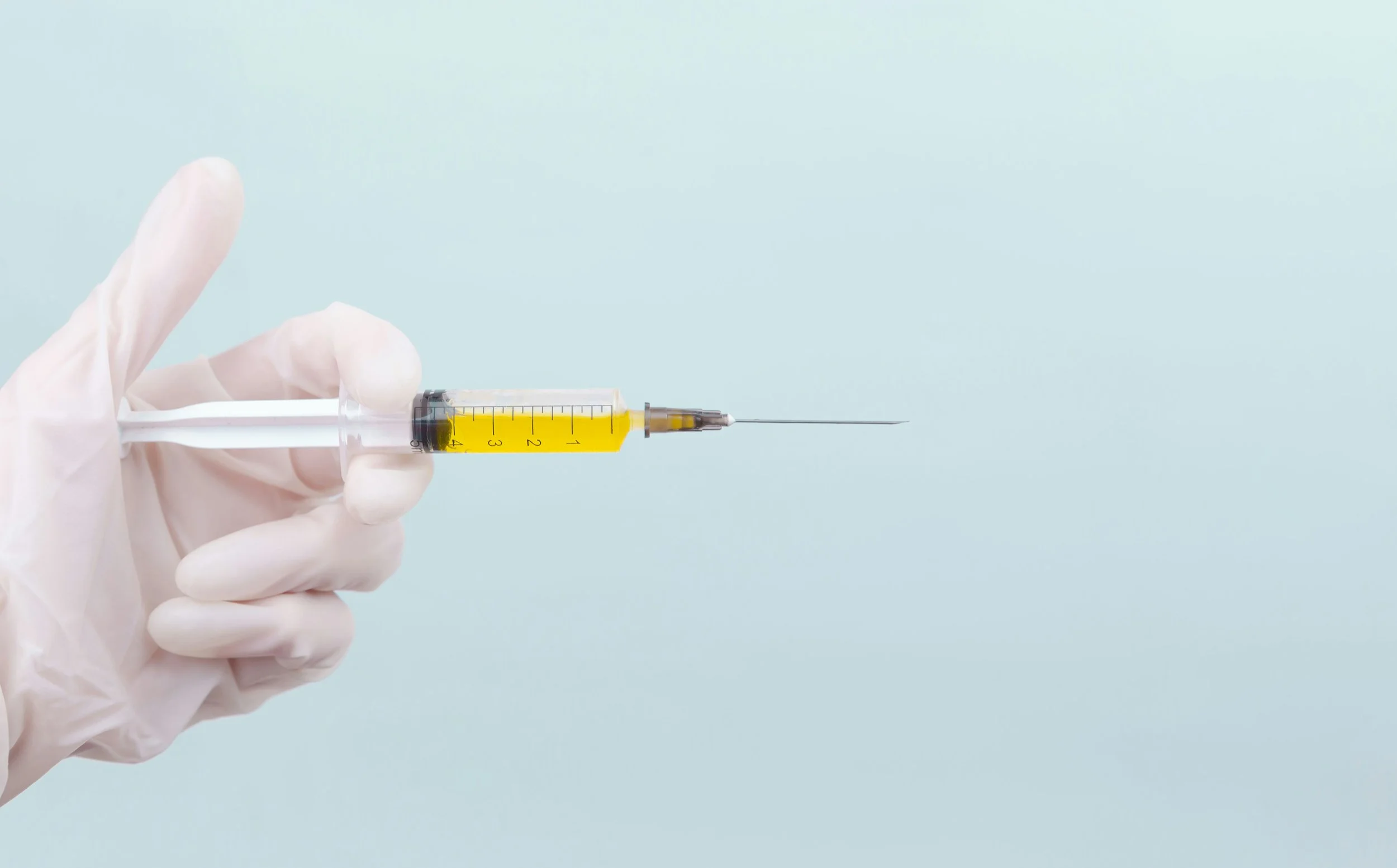
Vaccinations
Our clinic provides a comprehensive range of vaccinations for infants, children, adolescents, adults, and older patients. We also offer travel vaccinations for patients planning to visit destinations where additional protection is recommended.
Vaccines we offer
Childhood and adolescent vaccines (National Immunisation Program)
Diphtheria, tetanus, and pertussis (whooping cough)
Polio
Haemophilus influenzae type b (Hib)
Hepatitis B
Pneumococcal disease
Rotavirus
Measles, mumps, and rubella (MMR)
Varicella (chickenpox)
Meningococcal ACWY and B
Human papillomavirus (HPV)
Adult and catch-up vaccines
Influenza (flu) - annual
COVID-19 - as per current Australian Technical Advisory Group on Immunisation (ATAGI) recommendations
Tetanus, diphtheria, and pertussis booster
Pneumococcal
Shingles (herpes zoster)
Hepatitis A and B
Measles, mumps, and rubella (for those not previously immunised)
Varicella (for adults without prior immunity)
Meningococcal
Travel vaccines
Typhoid
Japanese encephalitis
Rabies
Cholera
Yellow fever (by referral to an approved yellow fever vaccination centre if not available on site)
Tick-borne encephalitis
Hepatitis A and B
Occupational vaccines
Hepatitis B (for healthcare workers and others with occupational exposure risk)
Q fever (for those working with livestock or in abattoirs)
Varicella (for healthcare and childcare workers without prior immunity)
Please contact reception to confirm current availability of specific vaccines, as stock can vary.
Free vaccines
The following groups are eligible for free vaccines under the NIP or state-funded programs:
All children following the standard schedule from birth to adolescence
Adults aged 65 and over: free annual influenza vaccine and funded pneumococcal vaccines
Aboriginal and Torres Strait Islander people: additional funded vaccines at various ages including earlier influenza and pneumococcal vaccination
Pregnant women: free whooping cough booster and annual influenza vaccine
People with certain medical conditions that increase their risk of serious disease (see below)
DVA gold card holders: most vaccines are covered
People aged 18 and over for shingles vaccination (Zostavax from age 70, or Shingrix from age 65 - ask your GP which applies to you)
Eligibility criteria can change. Your GP will advise what is currently funded for you based on your age, medical history, and circumstances.
Influenza (flu) vaccine
Shingles (herpes zoster) vaccine
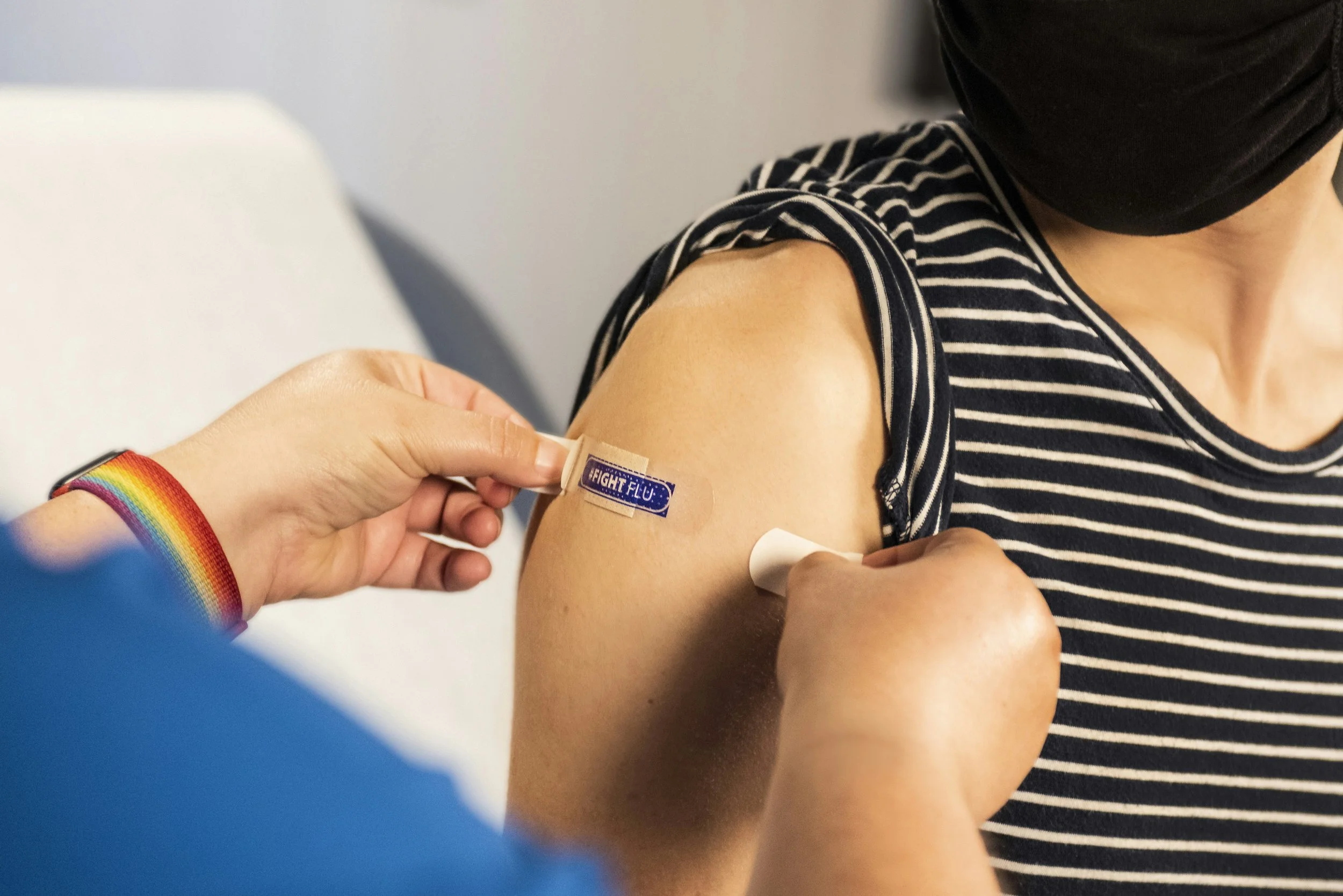

Influenza is a serious respiratory illness that causes significant morbidity and death in Australia each year, particularly in older adults, young children, pregnant women, and those with chronic health conditions.
Who should have it?
The flu vaccine is recommended for everyone aged 6 months and over. It is strongly recommended and free for:
Adults aged 65 and over
Pregnant women at any stage of pregnancy
Aboriginal and Torres Strait Islander people aged 6 months and over
Children aged 6 months to under 5 years
People with certain chronic medical conditions
How often?
Annually. The influenza virus changes each year and the vaccine is updated to match the strains expected to circulate in the coming season. Last year's vaccine does not provide reliable protection for the current season.
When should I get it?
Ideally in April or May before the winter flu season peaks, though vaccination later in the season is still worthwhile. Protection develops within approximately two weeks of the injection.
Common side effects
Soreness, redness, or swelling at the injection site, mild fever, and fatigue for 1-2 days. These are signs the immune system is responding and are not the flu. The flu vaccine cannot give you influenza.
Shingles (herpes zoster) is a painful and debilitating condition caused by reactivation of the chickenpox virus, which remains dormant in nerve tissue after a primary chickenpox infection. Around one in three Australians will develop shingles in their lifetime. The risk and severity both increase significantly with age.
Shingles typically causes a painful blistering rash on one side of the body or face. The most significant complication is post-herpetic neuralgia - persistent nerve pain that can last months to years after the rash resolves and can be severely debilitating.
Who should have it?
Adults aged 60 and over are strongly recommended to have the shingles vaccine
From age 70, Zostavax is available free under the NIP (and free catch-up to age 79)
Shingrix (a newer, more effective two-dose recombinant vaccine) is available for adults from age 50 and is preferred for immunocompromised patients - ask your GP which vaccine is most appropriate for you
The shingles vaccine is not recommended for people who are severely immunocompromised (live vaccine considerations apply to Zostavax) - discuss with your GP
Do I need it if I have already had shingles?
Yes. Vaccination is still recommended after a shingles episode to reduce the risk of recurrence.
International travel vaccinations
If you are planning international travel, your vaccine requirements depend on your destination, length of stay, planned activities, and personal health history. Some vaccines require multiple doses given over several weeks or months, so it is important to plan well in advance. Some countries will not allow you to enter without proof of vaccination.
Book a travel health consultation at least 6-8 weeks before your departure date, or as early as possible if your trip is sooner.
At your travel consultation your GP will:
Review your destination-specific health risks
Assess your current vaccination status
Recommend and administer required and recommended vaccines
Discuss malaria prevention if relevant to your itinerary
Provide advice on food and water safety, traveller's diarrhoea, sun protection, insect bite prevention, and accessing medical care overseas
Issue an International Certificate of Vaccination if required (for yellow fever in particular)
Some travel vaccines are not covered by Medicare and will incur an out-of-pocket cost. Your GP will advise what applies at your consultation.
Common destinations and vaccines to consider:
Southeast Asia and the Indian subcontinent: Hepatitis A, typhoid, Japanese encephalitis (for rural or prolonged stays), rabies (for adventure travel or long stays), cholera
Africa: Hepatitis A, typhoid, yellow fever (required for entry to some countries), meningococcal, rabies
South America: Hepatitis A, typhoid, yellow fever, rabies
Europe: Generally low risk for most travellers; tick-borne encephalitis for those hiking in forested areas of Central and Eastern Europe
Middle East: Hepatitis A, typhoid; meningococcal ACWY is required for Hajj and Umrah pilgrims
This is a general guide only. Always seek personalised advice based on your specific itinerary.
Resources:
Frequently asked questions
-
Let the nurse or doctor know about any allergies, particularly to eggs, latex, or previous vaccine components
Inform the clinic if you have had a serious reaction to a vaccine in the past
Let the clinic know if you are pregnant or breastfeeding
Inform the clinic if you are immunosuppressed or taking immunosuppressive medications, as some live vaccines may not be safe for you
You do not need to fast before vaccination
Wear loose clothing with easy access to your upper arm
Bring your immunisation history if you have it, or your Medicare details so the clinic can review your Australian Immunisation Register records
-
You will be asked to remain at the clinic for 15 minutes after vaccination so we can monitor you for any immediate reactions. This is standard practice for all vaccine recipients.
Common and expected side effects:
These typically resolve within 1-2 days and require no treatment other than rest and pain relief if needed:
Soreness, redness, warmth, or mild swelling at the injection site
Mild fever
Fatigue or feeling generally unwell
Headache
Muscle aches
A cool compress and paracetamol (not aspirin in children) are appropriate for managing injection site discomfort and mild fever.
Rare side effects:
Serious reactions to vaccines are rare. Signs of an allergic reaction include hives, swelling of the face or throat, difficulty breathing, rapid heartbeat, dizziness, or collapse. These typically occur within minutes of vaccination, which is why you are observed for 15 minutes afterward. Call 000 immediately if a serious reaction occurs after leaving the clinic.
-
Vaccines used in Australia are rigorously tested for safety and efficacy before approval by the Therapeutic Goods Administration (TGA) and continue to be monitored after approval through ongoing surveillance programs.
The benefits of vaccination far outweigh the risks for the vast majority of people. Vaccine-preventable diseases can cause serious illness, long-term disability, and death. Many of these diseases have become rare in Australia precisely because of high vaccination rates in the community.
Herd immunity is the protection that occurs when a high proportion of the population is immune to a disease. Herd immunity helps protect those who cannot be vaccinated for medical reasons, including newborns, pregnant women, and immunocompromised patients. Maintaining high vaccination rates across the community is a collective responsibility.
If you have questions or concerns about a specific vaccine, please raise them with your GP. Your doctor can provide accurate, evidence-based information to help you make an informed decision.
-
The Australian Immunisation Register (AIR) is a national register that records vaccines given to people of all ages in Australia. Your vaccination history is automatically recorded on the AIR when a vaccine is administered at our clinic.
You can view your own immunisation history at any time through myGov linked to Medicare, or by requesting an immunisation history statement through Services Australia.
Your AIR record may be required for:
School enrolment
Childcare enrolment (No Jab No Pay requirements)
Employment in certain industries such as healthcare and aged care
Immigration and visa applications
Travel
If you believe your AIR records are incomplete, speak with your GP or contact Services Australia.
-
Yes. Multiple vaccines can be given safely at the same visit. This is standard practice for childhood immunisations and is safe and effective. Your immune system is well equipped to respond to multiple vaccines simultaneously.
-
Our clinic staff can access your Australian Immunisation Register record to review your documented vaccine history. If records are incomplete or unavailable, in most cases it is safe to re-vaccinate rather than assume previous protection. Blood tests to check immunity are available for some diseases if needed.
-
Yes. Some childhood vaccines do not provide lifelong protection and require boosters in adulthood. Additionally, some vaccines such as flu and shingles are specifically recommended in adult or older life. Your GP can review your records and advise what is currently recommended for you.
-
Yes. Live attenuated vaccines (including MMR, varicella, Zostavax (shingles), and the nasal flu vaccine) are generally not recommended for people who are significantly immunosuppressed, as the weakened live virus in the vaccine can potentially cause disease. Non-live (inactivated or recombinant) vaccines are safe to give but may produce a reduced immune response in immunosuppressed patients. Your GP will advise on what is safe and appropriate for your situation.
-
No. This claim originated from a 1998 study that has since been fully retracted due to serious ethical violations and data fraud. Extensive research involving millions of children across multiple countries has found no link between vaccines and autism. The original author lost his medical licence as a result of his conduct. If you have concerns about this or any other vaccine safety question, please speak with your GP.
The Australian Department of Health, Disability, and Ageing states:
“No. There is no established link between vaccines and autism. The measles, mumps, rubella (MMR) vaccine doesn’t cause autism. High-quality studies and reviews over many years have compared the health of large numbers of vaccinated and unvaccinated children. The studies found no link between the MMR vaccine and autism. Scientific studies and reviews continue to show no relationship between vaccines and autism.
The suggested link between the MMR vaccine and autism was first published in 1998 in a research paper published in a respected medical journal.
Since then, scientists have completely discredited this paper based on only 12 children. In 2004, the authors retracted their claim of a link between vaccination and autism. In 2010, the journal withdrew the paper after the UK’s General Medical Council found the results in the paper had proved to be false. The journal issued a retraction.”
-
Vaccines protect us by using our body’s natural defences to build resistance to specific infections before we come into contact with them.
When a child gets a vaccine, their body produces an immune response in the same way it would after exposure to a disease. If the child comes in contact with that disease in the future, their immune system remembers it and responds quickly, preventing the disease from developing.
Vaccines give protection without causing disease. They are safer than getting the disease itself.
-
No. There is no evidence that vaccines cause or worsen asthma or allergies. It is important that patients with asthma or allergies are vaccinated to reduce their chance of getting a serious infection, which could make their existing condition worse.
Some vaccines contain ingredients that can be allergens. So, if you or your child is allergic to any foods or medicines, you should tell your doctor or nurse so they can check that the vaccines they plan to give are safe.
This information is for general patient education only and does not replace personalised medical advice. Vaccine recommendations change over time and vary based on individual circumstances. Please speak with your GP to determine which vaccines are currently recommended for you.